Thinking about a new build or an existing home in McFarland? The right choice depends on your budget, timeline, and how you want to live day to day in 53558. You want clarity on total costs, what the process looks like, and how to protect yourself as a buyer. This guide breaks down costs, timelines, warranties, location trade-offs, and the exact checkpoints to keep your purchase on track. Let’s dive in.
Total cost: what to compare
Purchase price and upgrades
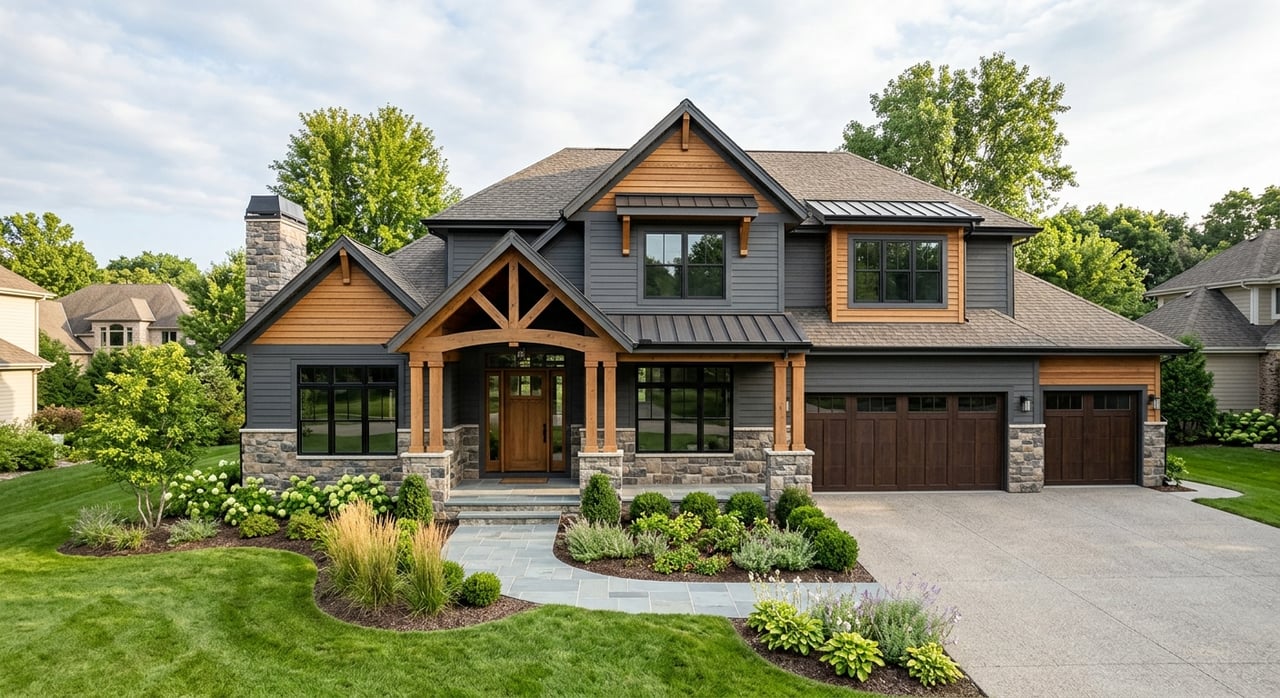
New construction often starts with a base price, then adds a lot premium, options, and finishes. Plan for landscaping, driveway, seeding, and potential municipal impact fees. Builders may include allowances for finishes and appliances, which you can exceed if you choose higher-end selections.
Resale homes may cost less per square foot and include mature yards or established neighborhoods. Factor immediate or near-term costs such as roof, HVAC, flooring, exterior work, or remodeling. Your inspection can help you build a realistic update budget.
Closing costs and incentives
Builders sometimes offer incentives like rate buy-downs, paid closing costs, or upgrade credits, often tied to preferred lenders or title companies. Resale transactions usually follow standard closing costs, with room for seller concessions depending on the market. Compare any lender requirements and the net effect on your total cash due at closing.
Taxes and assessments
New homes are reassessed after completion, which can increase your property tax bill. Some developments use municipal assessments or Tax Increment Financing arrangements that affect taxes or special assessments. In McFarland, it is worth confirming whether streets or utility extensions are covered by developer agreements or later billed to owners.
Utilities and energy costs
New builds may feature high-efficiency systems, insulation, and windows that lower monthly energy use. Ask builders for energy ratings or certifications, along with HVAC and appliance specs. On new lots, confirm utility hook-up fees, sewer or septic needs, and any stormwater requirements.
HOA and maintenance
Many new subdivisions include HOA fees that cover common areas, private roads, landscaping, or stormwater systems. Resale homes may not have an HOA, or may be part of older associations with different rules. New homes defer large maintenance expenses early on, while resales might need system or exterior updates sooner.
Timelines and process
Build vs. resale timeline
New construction typically runs several months for a spec home or 6 to 10 months or more for a custom build. Permits, weather, and inspection capacity in Dane County can extend timelines. Resale closings usually take 30 to 60 days, depending on contingencies and lender speed.
Common delays and protections
Supply chain issues, subcontractor availability, weather, and municipal inspections can cause new build delays. Some builder contracts shift delay risk to the buyer with broad timing clauses. Consider negotiating realistic completion dates with credits for delays, or a termination right if delivery slips beyond an agreed window. For resales, appraisal gaps and inspection repairs are the most common timing hurdles.
Financing differences
Construction-to-permanent loans fund builds in stages and may carry different rates during construction. Builders may offer in-house or preferred lender incentives, which you can weigh against independent options. Resales use standard purchase mortgages that start at closing. Make sure the financing structure aligns with your cash flow and timeline.
Warranties and inspections
Builder warranties
Many builders follow a common framework: 1 year for workmanship and materials, 2 years for major systems, and 10 years for structural coverage. Coverage limits and claim processes vary by builder and warranty provider. Ask for the full written warranty and understand how claims are handled.
New build inspection checkpoints
Even with municipal inspections, independent third-party inspections are smart. Build in rights for inspections at key stages: pre-pour or foundation, pre-drywall for framing and mechanicals, and a detailed pre-final walkthrough. Plan an 11-month review before the workmanship warranty window closes.
Resale inspections
Order a comprehensive home inspection and add specialized inspections as needed, such as radon, well or septic, sewer scope, pest, or HVAC. The findings help you negotiate repairs, credits, or a price adjustment, and allow you to plan for near-term maintenance.
Wisconsin protections to know
Wisconsin regulates many building trades, and sellers must provide disclosures on known defects. Lots near Lake Waubesa can be subject to shoreland and floodplain rules that affect setbacks, grading, and impervious surfaces. If you are comparing a lake-area resale to an infill new build, request local maps and confirm any permits or limits that apply.
Location and lifestyle in McFarland
Lots, lake, and privacy
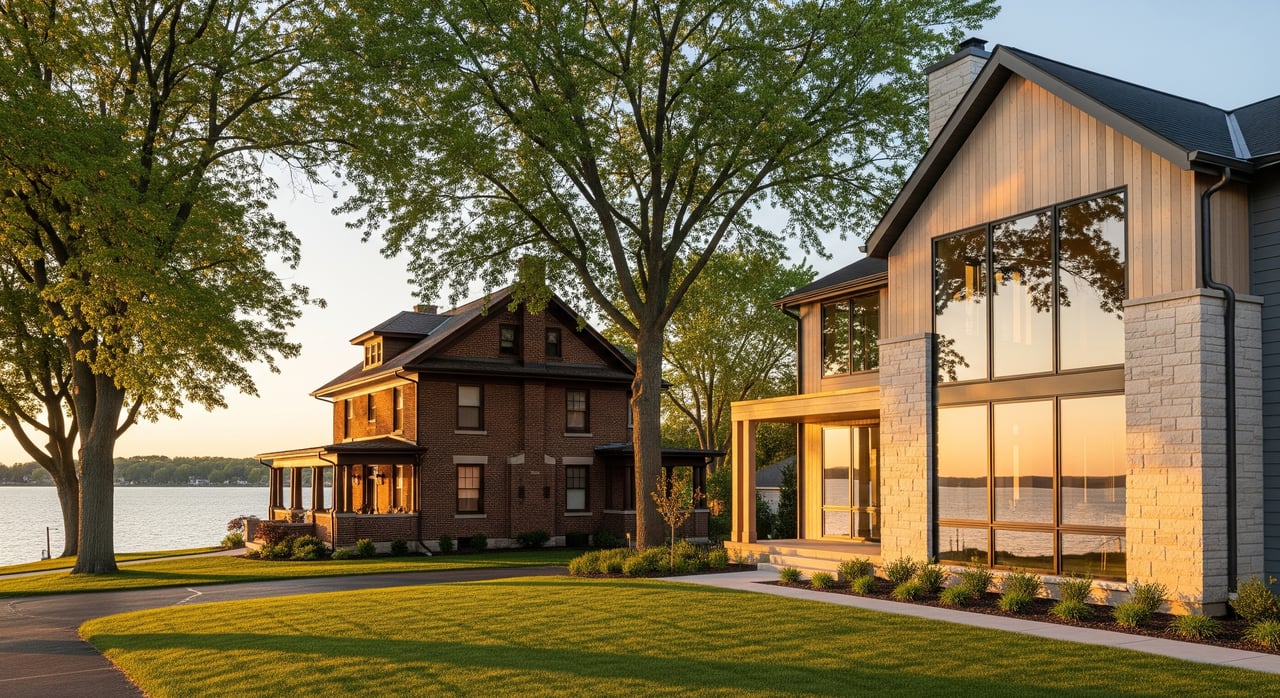
Resale homes often sit on mature lots with shade trees and established landscaping. Waterfront and near-water properties are more often resale due to limited shoreline opportunities. New subdivisions may offer uniform lot sizes, smaller yards, or, in some cases, larger lots on the village edge.
Amenities and access
McFarland balances a small-town feel with quick access to Madison. Established resale neighborhoods may be closer to village amenities and parks. Newer communities can be a short drive from services, so weigh your daily routine and commute when choosing a location.
Shoreland and floodplain checks
If you are considering property near Lake Waubesa or local streams, verify shoreland zoning and floodplain overlays. These rules influence buildability, expansion options, and site work. Ask for clear documentation before you commit.
How to vet builders in 53558
- Review years in business and local projects. Ask for references from recent buyers and drive by completed homes.
- Tour model homes and recently finished properties to evaluate materials and finish quality.
- Request the full written warranty. Ask how claims are handled and whether a third party administers coverage.
- Ask about key trade partners. Stable subcontractors help with quality and schedules.
- Check local permit records for open permits or code issues.
- Clarify whether the development depends on TIF or future phases and if those are on track.
Smart contingencies to include
For new construction
- Completion date with remedies, such as credits for delays or a defined termination right after a set period.
- Rights to independent inspections at staging milestones and an 11-month review.
- Financing contingency that preserves your lender choice if incentives are offered.
- Appraisal gap language that explains how a short appraisal will be handled.
- Change order controls with written estimates and approval steps.
- Delivery with a certificate of occupancy and utilities active.
- Clear written warranty with response timelines and repair standards.
For resale
- Home inspection contingency with right to repair, credit, or termination.
- Addenda for radon, septic, well, pest, or HVAC as needed.
- Appraisal and financing contingencies.
- Title review and, if warranted, a survey to confirm boundaries and easements.
Quick checklists
If you lean new construction
- Get a full line-item estimate of base price, lot premium, allowances, and site costs.
- Confirm HOA details, fees, and what they cover.
- Verify utility connections, sewer availability, and any special assessments.
- Lock inspection rights at pre-drywall and pre-final stages.
- Review the change order process and set a cap for overages.
- Ask for the written warranty and who administers it.
If you lean resale
- Order a full home inspection plus specialty tests based on age and location.
- Request maintenance records for roof, HVAC, and key systems.
- Get a comparative market analysis to validate price and support negotiations.
- Consider seller concessions or a short-term home warranty for systems.
Choose what fits your goals
If you value modern systems, tailored finishes, and lower early maintenance, a new build in McFarland could be the right fit, with the tradeoff of a longer timeline and careful contract management. If speed, established neighborhoods, or potential lake proximity matter more, a resale may offer better value with some near-term updates. Either way, a clear plan, strong contingencies, and local due diligence will protect your budget and timeline.
Ready to compare specific homes, run a side-by-side cost estimate, or map your commute options in 53558? Reach out to Tony Hedberg for a no-pressure consult. Schedule a no-obligation consultation or get your free home valuation to move forward with confidence.
FAQs
How long does new construction usually take in McFarland?
- Most single-family builds range from several months for a near-finished spec to 6–10 months or more for custom, with weather and inspections affecting timing.
What builder incentives should I expect on a new home?
- Common incentives include rate buy-downs, closing cost credits, or upgrade packages, often tied to using the builder’s preferred lender or title company.
Are HOA fees common in new McFarland subdivisions?
- Many newer communities include HOA fees for common areas, private roads, landscaping, or stormwater management, while some resales do not have HOA obligations.
What inspections are smart for a resale home in 53558?
- Start with a comprehensive home inspection, then add radon, well or septic, sewer scope, pest, or HVAC checks based on the property’s age and features.
How do shoreland and floodplain rules affect homes near Lake Waubesa?
- These rules set setbacks, limit grading and impervious surfaces, and may affect expansion or site work, so verify maps and permits before you commit.
Will a new home guarantee lower utility bills?
- Many new builds include efficient HVAC, insulation, and windows that can reduce energy use, but actual costs depend on the home’s size, systems, and your usage.