If you are house hunting in Cottage Grove, one of the first choices you may face is not just which home to buy, but which type of neighborhood fits your life best. Some buyers want a newer subdivision with a more coordinated layout, while others are drawn to older streets with mature landscaping and a more established feel. The good news is that Cottage Grove offers both, and understanding the differences can help you make a more confident decision. Let’s dive in.
Cottage Grove Has More Than One Neighborhood Style
Cottage Grove is immediately east of Madison with direct access to I-94, but its housing pattern is not simply divided into an old side and a new side. The village developed in phases, starting with Olde Town and early residential blocks near Reynolds and Clark Streets, then expanding through subdivisions like Seldal in 1969, Grove Heights in 1972, and Crawford in 1977.
After 1990, subdivision growth accelerated. That means today’s buyers are often comparing historic core blocks, older suburban-style neighborhoods from the late 1960s and 1970s, and newer planned neighborhoods with more recent construction. In practical terms, your decision is usually about development era, layout, and day-to-day feel.
What Newer Areas Offer
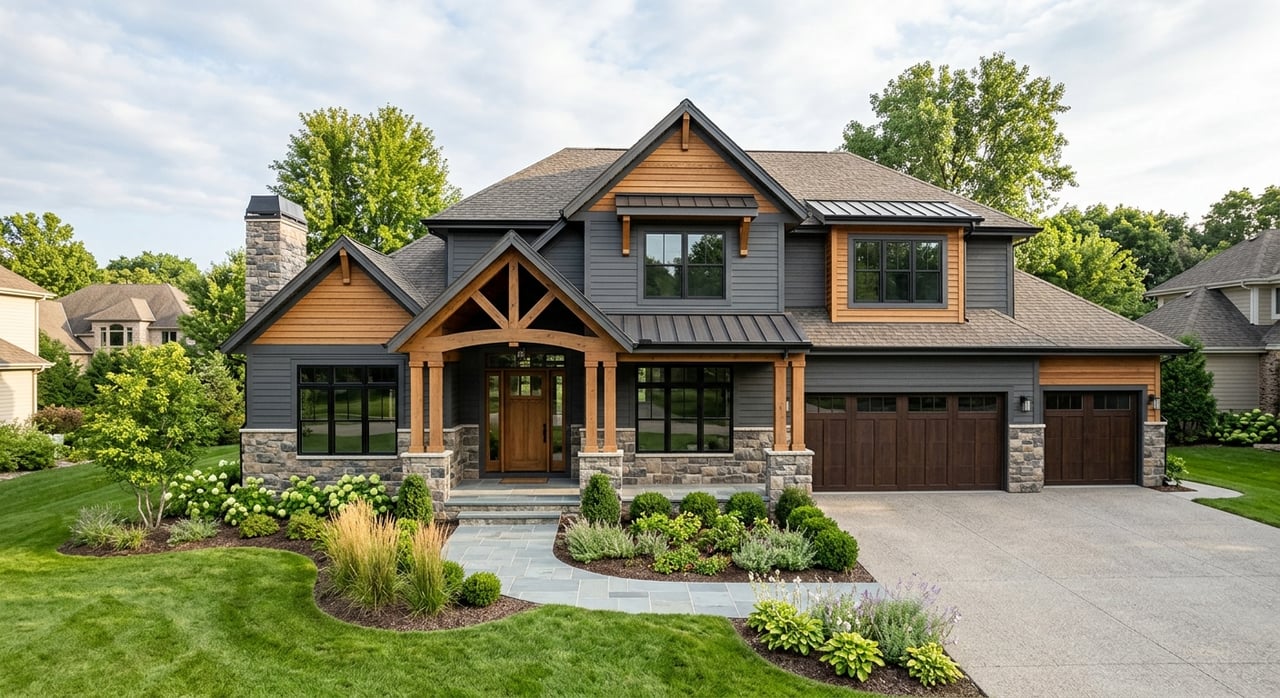
Newer neighborhoods in Cottage Grove often appeal to buyers who want a newer home, a more coordinated neighborhood plan, and a lot that may be easier to maintain. The village’s zoning standards help explain why these areas can feel different from older parts of town.
In the SR-6 single-family district, minimum lot size is 7,500 square feet, with a 70-foot minimum width and 50-foot street frontage. By comparison, SR-4 uses 10,000-square-foot minimum lots and 80-foot minimum width. In everyday terms, that often means newer neighborhoods feel a bit more compact and visually consistent.
Newer Layouts Feel More Planned
Cottage Grove’s comprehensive plan calls for planned neighborhoods that are mostly single-family, with limited two-family and multifamily housing, along with parks, open space, and neighborhood-scale nonresidential uses. As a result, newer neighborhoods can feel more intentionally designed from the start.
That does not mean every newer area feels the same. It does mean you may notice more uniform setbacks, a similar architectural era, and a street network that feels organized around modern subdivision planning.
Landscaping Is Still Growing In
One tradeoff in newer areas is that private landscaping is often still maturing. Trees, shrubs, and backyard screening may not feel as established as they do in older neighborhoods.
At the same time, some newer streets include wider medians and integrated green space. That can create a more open, suburban feel even before private landscaping fully fills in.
Shady Grove Shows The Newer Model
Shady Grove is a useful example of how newer development can work in Cottage Grove. Village records show a mix of single-family lots, two-family lots, and a multifamily parcel within the broader subdivision framework.
The village also notes that Shady Grove Park is planned with a playground, shelter, hard-surface path, and additional landscaping funded through development fees. For buyers, that is a good example of how newer neighborhoods may be built with amenities and public spaces as part of the original plan.
What Established Areas Offer
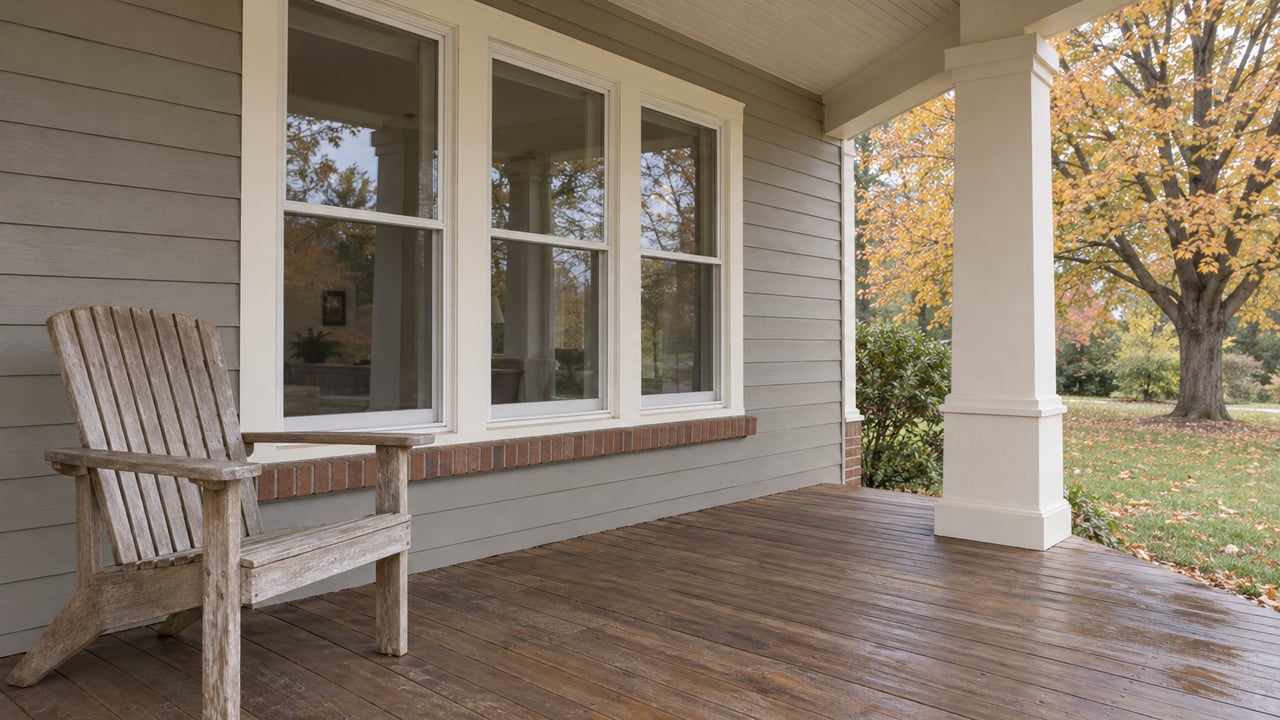
Established neighborhoods in Cottage Grove attract buyers who value character, central access, and more mature landscaping. These areas include Olde Town as well as long-built-out neighborhoods like Seldal, Grove Heights, and Crawford.
Because these areas have had more time to grow in, homesites and yards often feel more settled. While mature trees and landscaping are not a formal village designation, they are a practical feature many buyers notice in older parts of the community.
Older Streets Often Feel Less Standardized
In established areas, you may see more variation from one block to the next. Lot patterns, home styles, and streetscapes can feel less uniform than in a newer subdivision.
For some buyers, that variety is a plus. If you want a neighborhood with a distinct sense of place rather than a more coordinated subdivision feel, established areas may be worth a closer look.
Historic And Larger-Lot Context
Cottage Grove’s zoning framework also reflects some of this older character. The SR-4 district uses 10,000-square-foot minimum lots and 80-foot minimum width, which can support a roomier feel than smaller-lot formats.
The village also has an HR-9 historic residential district intended to preserve historic community character and support a moderate-density historic residential environment. If neighborhood character matters to you, this kind of context can be an important part of your search.
Parks And Recreation Matter In Both
One of Cottage Grove’s biggest strengths is that parks and trails are part of daily life across the community. The village maintains more than 131.3 acres of park and open-space land along with 4 miles of trail.
The Glacial Drumlin State Trail is another major local amenity, connecting Cottage Grove to Waukesha. If you enjoy walking, biking, or easy outdoor access, this can be a meaningful advantage no matter which area you choose.
Established Areas Have Several Recognizable Parks Nearby
Several well-known recreation spaces are in or near the established core. These include Fireman’s Park on Clark Street, Community Park south of Cottage Grove Road on Lori Lane, Governor Taylor Nature Park on W. Oak Street, and Phoebe Bakken Memorial Park at 4064 Vilas Road.
Phoebe Bakken Memorial Park includes a splash pad, Miracle Field, pickleball courts, trails, soccer fields, and a playground. If you want to be near long-standing community recreation spaces, established areas may offer an advantage in central access.
Schools And Daily Routines
For many buyers, daily logistics matter just as much as the home itself. Cottage Grove is served by the Monona Grove School District, and district information identifies schools associated with the community including Cottage Grove School, Granite Ridge School, and Glacial Drumlin School.
Even if you are not making a move based on schools, school locations can still affect your routines. Traffic patterns, pick-up schedules, and bike or walking connections can all shape how a neighborhood feels day to day.
Infrastructure Can Affect Your Choice
Another difference between established and newer areas is where the village is in its growth cycle. Cottage Grove highlights its I-94 access as a practical benefit, especially for commuters heading toward Madison or beyond.
The east side is also still being built out in places. Current utility projects include sewer infrastructure intended to serve the Arrowwood Hills neighborhood and future eastern development, and public works has also noted bike-path work connecting toward Granite Ridge Elementary.
Older Areas May Bring Different Maintenance Questions
Established neighborhoods can offer charm and convenience, but buyers should also think about long-term maintenance. Older areas may come with older utilities or future street reconstruction needs.
That does not make them a worse choice. It simply means your evaluation should include both appearance and the practical side of ownership.
How To Decide What Fits You Best
If you are choosing between new and established areas in Cottage Grove, it helps to focus on how you want to live rather than chasing a one-size-fits-all answer. The right fit depends on what matters most in your daily routine and long-term plans.
Here is a simple way to frame the decision:
- Newer areas may fit you best if you want a newer home, a more coordinated neighborhood plan, and a smaller or easier-to-maintain lot.
- Established areas may fit you best if you want more character, more mature landscaping, and central access to long-standing parks and community spaces.
- Both options can work well if you value I-94 access, trail connections, and the broader convenience of living in Cottage Grove.
A Local Search Beats A Simple Age Filter
In Cottage Grove, neighborhood choice is more nuanced than just picking old or new. You are really comparing different phases of village growth, each with its own lot patterns, landscaping, amenities, and day-to-day feel.
That is why a local, block-by-block approach matters. When you understand how Olde Town, 1970s subdivisions, and newer planned neighborhoods differ, you can narrow your search faster and focus on the homes that truly match your goals.
If you want help comparing Cottage Grove neighborhoods with a sharper local lens, Tony Hedberg can help you sort through the options and find the right fit for your move.
FAQs
What is the main difference between newer and established areas in Cottage Grove?
- Newer areas often offer newer homes, more coordinated subdivision layouts, and smaller or easier-to-maintain lots, while established areas often offer more character, central access, and more mature landscaping.
What are established neighborhoods in Cottage Grove?
- Established areas include Olde Town and long-built-out neighborhoods such as Seldal, Grove Heights, and Crawford, which developed before the faster subdivision growth that followed 1990.
What lot sizes are common in newer Cottage Grove neighborhoods?
- In the village’s SR-6 single-family district, minimum lot size is 7,500 square feet with 70-foot minimum width and 50-foot street frontage, which often contributes to a more compact neighborhood feel.
What lot sizes are common in older Cottage Grove areas?
- The SR-4 district uses 10,000-square-foot minimum lots and 80-foot minimum width, which can support a roomier feel in many established neighborhoods.
Are parks and trails easy to access in Cottage Grove?
- Yes. Cottage Grove maintains more than 131.3 acres of park and open-space land and 4 miles of trail, and it also has access to the Glacial Drumlin State Trail.
What should buyers consider besides home age in Cottage Grove?
- You should also consider lot size, neighborhood layout, landscaping maturity, park access, commute convenience via I-94, and whether the area may involve older utilities or ongoing new infrastructure buildout.