If you are house hunting in Stoughton, older homes can be some of the most memorable properties you tour. They often offer original woodwork, distinctive facades, and details you simply do not see in newer construction. At the same time, charm alone is rarely enough. You also want confidence that the home has been cared for, updated thoughtfully, and will work for daily life. Let’s dive in.
Why older homes stand out in Stoughton
Stoughton is a natural place to talk about older homes because local history is built into the housing stock. The city was founded in 1847, and its Historic Downtown District was largely built between 1860 and 1910. Stoughton also has five historic districts and 32 locally designated landmarks, which gives many homes a stronger sense of place and architectural identity.
That history can be a major draw for buyers. In a market where many residents stay put for years and owner occupancy is relatively high, homes that feel well maintained and easy to live in tend to stand out. Buyers are not just comparing finishes. They are also weighing long-term livability, upkeep, and whether the home feels like a smart move.
Character still matters most
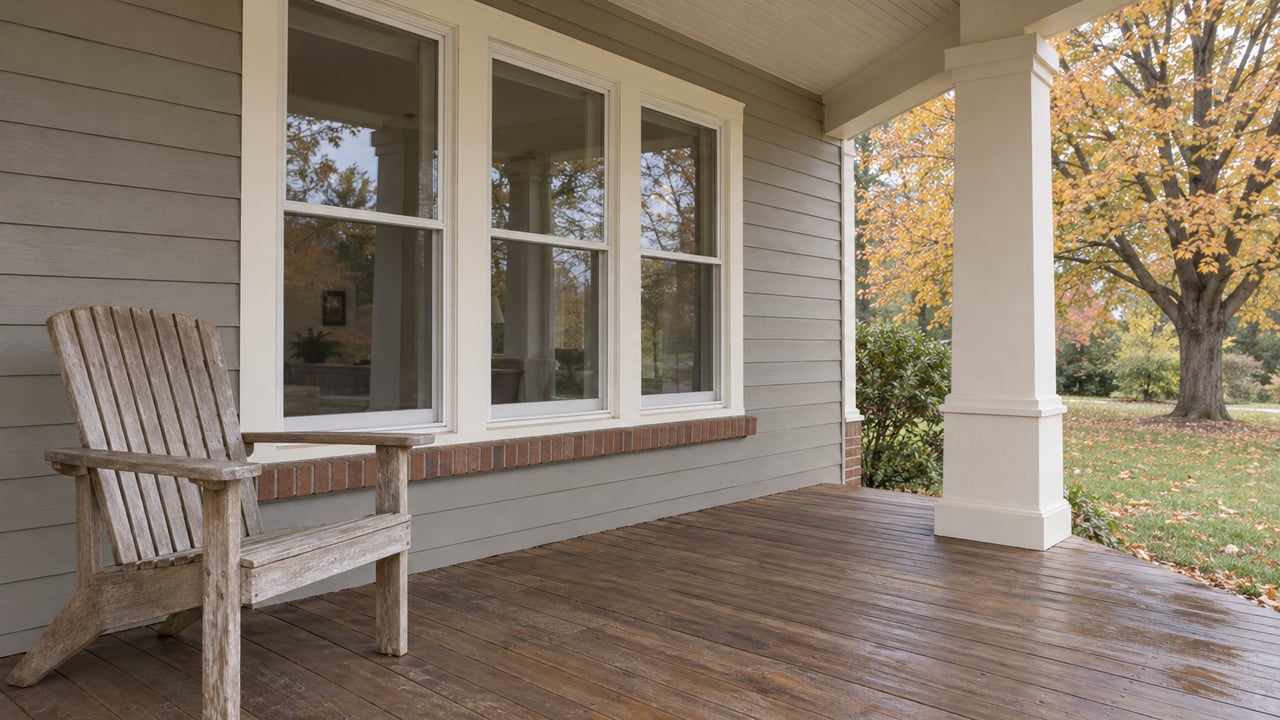
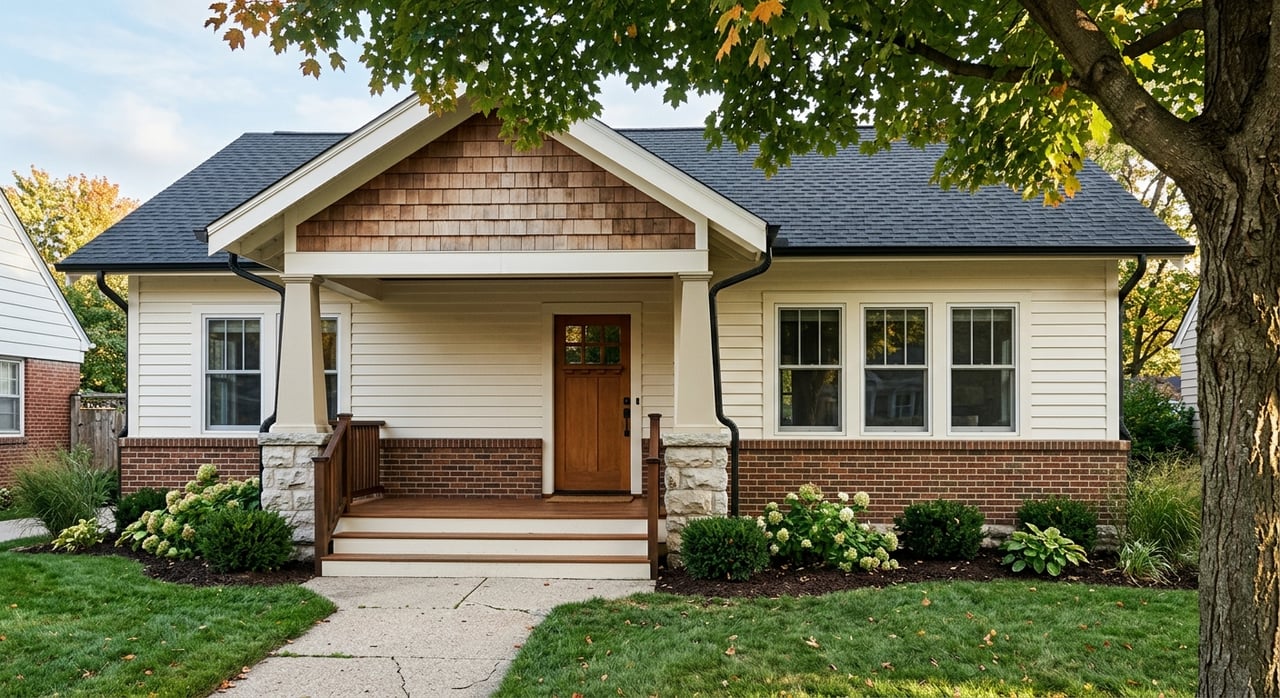
For many buyers, the first attraction in an older Stoughton home is its character. That can mean original trim, built-ins, hardwood floors, vintage doors, or architectural details tied to the home’s era. These features help a property feel authentic, and they often create an emotional connection right away.
Historic-home buyers also tend to care about the story behind the property. They may want to know what period details remain, who lived there, and what updates have been made over time. If a home has kept its original personality while adding practical improvements, that combination can be especially appealing.
Period details buyers notice
When buyers walk through an older home, they often notice:
- Original millwork and trim
- Built-in cabinetry or bookcases
- Hardwood flooring
- Vintage staircases or entry details
- Traditional room layouts
- Exterior materials and facade details that fit the home’s age
These features do not need to feel frozen in time. In many cases, buyers respond best when older details are preserved while the overall presentation feels clean, functional, and well cared for.
Function matters as much as charm
Even buyers who love historic homes still think practically. In older homes, they are often judging function just as much as style. That includes how the layout flows, whether rooms feel usable, and how easily the home supports modern routines.
Recent buyer preference research points to ongoing interest in privacy, more defined rooms, and spaces that can serve multiple purposes. Nearly half of Americans still prefer a more traditional, closed layout. In an older Stoughton home, that can work in your favor if the rooms feel intuitive and the floor plan supports everyday needs like working from home, hobbies, storage, or family routines.
What a usable layout looks like
Buyers are often looking for:
- Rooms with a clear purpose
- Enough separation for work or quiet time
- Good circulation between kitchen, living, and entry spaces
- Practical storage where possible
- Bathrooms and kitchens that feel functional for daily use
An older layout does not have to be completely opened up to appeal to today’s buyer. It just needs to feel livable and easy to understand.
Systems and maintenance can make or break interest
Once the initial charm has done its job, most buyers start thinking about condition. This is where older homes can either build confidence or create hesitation. Buyers know that age can bring hidden costs, so they pay close attention to the big-ticket items.
A typical home inspection looks at the structure, exterior, roof, plumbing, electrical, heating and cooling, insulation and ventilation, and fireplaces. Buyers may also think about concerns like mold, radon, lead paint, and asbestos. In an older home, questions about foundation condition, drainage, wiring, HVAC performance, and safety devices often come up quickly.
Big questions buyers tend to ask
In many Stoughton older-home searches, buyers want clarity on:
- Roof age and condition
- Furnace and air conditioning age
- Plumbing and electrical updates
- Foundation or drainage concerns
- Whether major work was permitted
- Whether the home has been tested for radon
- Whether there are known lead-related issues
You do not need a perfect house to attract serious interest. You do need to reduce uncertainty where you can.
Documentation builds trust
One of the strongest advantages in an older home sale is good recordkeeping. Buyers often feel more comfortable when they can see a clear paper trail of maintenance and improvements. In many cases, that reassurance matters as much as cosmetic updates.
Useful records may include receipts, service records, permit history, and dates for major replacements. If the roof was replaced, the HVAC was serviced regularly, or plumbing or electrical work was updated, having that information ready can make the home feel more transparent and easier to evaluate.
Helpful records to have available
Before listing or making an offer, it helps to gather:
- Roof replacement records
- HVAC service and installation records
- Plumbing or electrical update documentation
- Permit records for major work
- Radon test results, if available
- Lead-related disclosures when required
- Notes on kitchen or bathroom remodel timing
For buyers, these records can help you compare homes more clearly. For sellers, they can help inspection and repair conversations go more smoothly.
Kitchens and baths still carry weight
In older homes, buyers often expect some imperfections. What they usually do not want is a long list of expensive unknowns paired with heavily dated spaces they use every day. That is why kitchens and bathrooms continue to matter so much.
According to NAR’s 2025 Remodeling Impact Report, REALTORS most often recommend painting the entire home, painting one room, and new roofing before a sale. The same report also points to strong demand increases for kitchen upgrades, new roofing, and bathroom renovations. For an older Stoughton home, that suggests practical, visible improvements can do more than a full luxury overhaul.
Updates that usually help most
Buyers often respond well to:
- Fresh interior paint
- A clean, well-maintained kitchen
- Bathrooms that feel functional and tidy
- Updated roofing when needed
- Improvements that reduce obvious deferred maintenance
The goal is not to erase the home’s age. It is to make the home feel cared for, comfortable, and ready for the next owner.
Historic district rules can affect plans
If a home is locally designated or located in a local historic district in Stoughton, exterior work may involve more than a standard permit. According to the city’s landmarks rules, exterior changes that require a building permit may also need a Certificate of Appropriateness before work can begin.
That matters if you are a seller planning pre-listing updates or a buyer thinking ahead about future projects. The city’s permit application covers work such as windows, exterior doors, siding, roofing, and electrical, HVAC, and plumbing work. For older homes with historic status, understanding that process early can help you avoid delays and make more informed decisions.
Lead and radon are important in Wisconsin older homes
For older homes in Wisconsin, lead and radon are two issues buyers often take seriously. Wisconsin DHS says lead is commonly found in homes and buildings built before 1978, especially in paint, dust, soil, and plumbing. Sellers of pre-1978 homes must disclose known lead hazards, provide the required EPA pamphlet, and allow a 10-day lead inspection or risk-assessment period.
Radon is also worth attention. Wisconsin DHS says about 1 in 10 homes in the state has high radon levels and recommends that all homes be tested. It also recommends mitigation when radon levels are 4 pCi/L or higher.
Why this matters to buyers
For buyers, lead and radon are not always deal-breakers. They are often part of the overall risk and maintenance picture. Clear testing information, honest disclosure, and documented mitigation when needed can help an older home feel more manageable and less uncertain.
What buyers really want overall
In the end, most buyers looking at older homes in Stoughton want the same mix of qualities: preserved character and proof of care. They want the home to feel authentic, but they also want to know that the roof, systems, and key updates have not been ignored. A beautiful old home becomes much more compelling when it also feels dependable.
That is why the strongest older-home listings usually highlight both story and substance. Original details, thoughtful presentation, visible maintenance, and organized documentation all work together. When a home feels honest, functional, and well prepared, buyers can picture themselves enjoying its history instead of worrying about its surprises.
If you are thinking about buying or selling an older home in Stoughton, the right strategy can make a big difference. From pricing and presentation to staging, photography, and smart pre-listing guidance, Tony Hedberg can help you position a home with clarity and confidence.
FAQs
What do buyers care about most in Stoughton’s older homes?
- Buyers often focus on a mix of character and condition, including original details, roof and mechanical age, functional layout, and clear records of maintenance or updates.
Do historic district rules affect older homes in Stoughton?
- Yes. If a property is locally designated or in a local historic district, exterior changes that require a building permit may also need a Certificate of Appropriateness before work can begin.
What updates help older homes appeal to buyers?
- Practical improvements often matter most, such as fresh paint, roofing when needed, and functional kitchen or bathroom updates that reduce buyer uncertainty.
Are lead disclosures required for older homes in Wisconsin?
- Yes. For pre-1978 homes, sellers must disclose known lead hazards, provide the required EPA pamphlet, and allow a 10-day lead inspection or risk-assessment period.
Should buyers ask about radon in Stoughton homes?
- Yes. Wisconsin DHS recommends testing all homes for radon, and mitigation is recommended when levels are 4 pCi/L or higher.
Why is documentation so important when buying an older home?
- Records for permits, roof work, HVAC service, plumbing or electrical updates, and testing can make it easier to understand the home’s condition and reduce surprises during inspection.