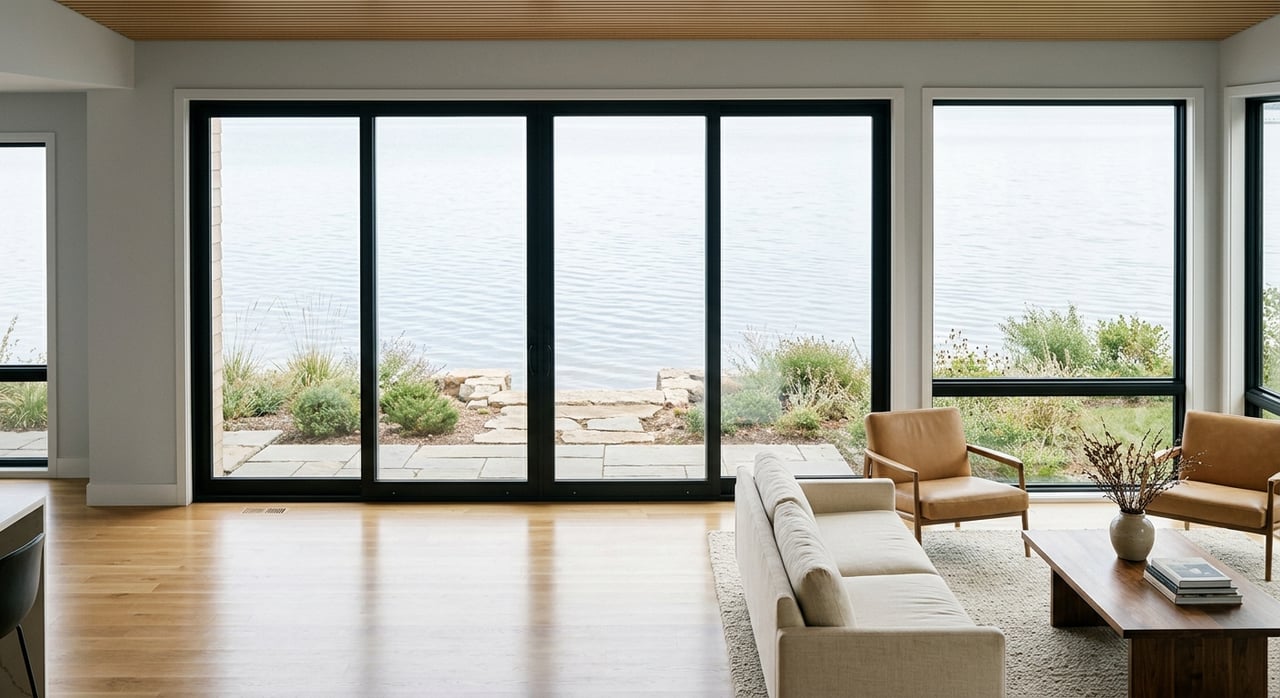
Trying to choose between McFarland and Monona? If you want a lakeside suburb near Madison, both can make a strong case, but they do not live the same way day to day. Your best fit depends on what matters most to you, like home style, lot size, shoreline access, commute options, and how close you want to feel to the city. Here’s a clear, local look at how these two communities compare so you can narrow your search with confidence.
McFarland vs. Monona at a glance
If you zoom out, the biggest difference is simple. McFarland tends to feel more suburban and owner-occupied, while Monona feels more compact, built-out, and in-town.
Official data supports that general read. McFarland has a 72.7% owner-occupied housing unit rate and a median owner-occupied home value of $390,100. Monona has a 53.6% owner-occupied rate and a higher median owner-occupied home value of $427,900.
That does not make one better than the other. It means you are often choosing between two different lifestyles, even though both offer water access and a convenient connection to Madison.
Housing styles and home ages
McFarland homes
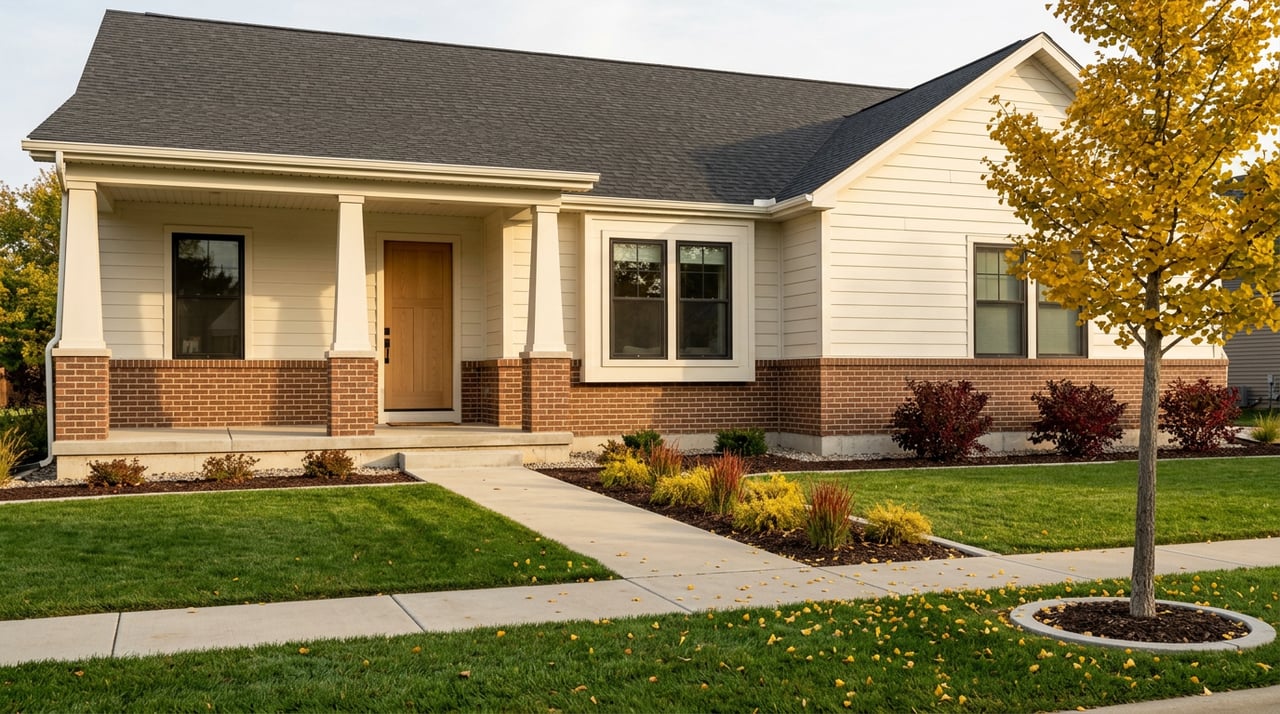
McFarland is often the better first stop if you want a detached home, a yard, or a more traditional suburban setup. The village housing study says about 86% of McFarland’s owner-occupied housing stock was built between 1960 and 2009, including 868 owner-occupied units built between 2000 and 2009.
That points to a housing mix that is generally newer than Monona’s. McFarland’s zoning also leans strongly toward single-family housing, with new two-family units allowed in certain districts only by conditional use.
The same housing study noted that the vacant residential lots available at the time were already under construction as a subdivision. In practical terms, that suggests you may find newer housing patterns here, but not unlimited room for future buildout.
Monona homes
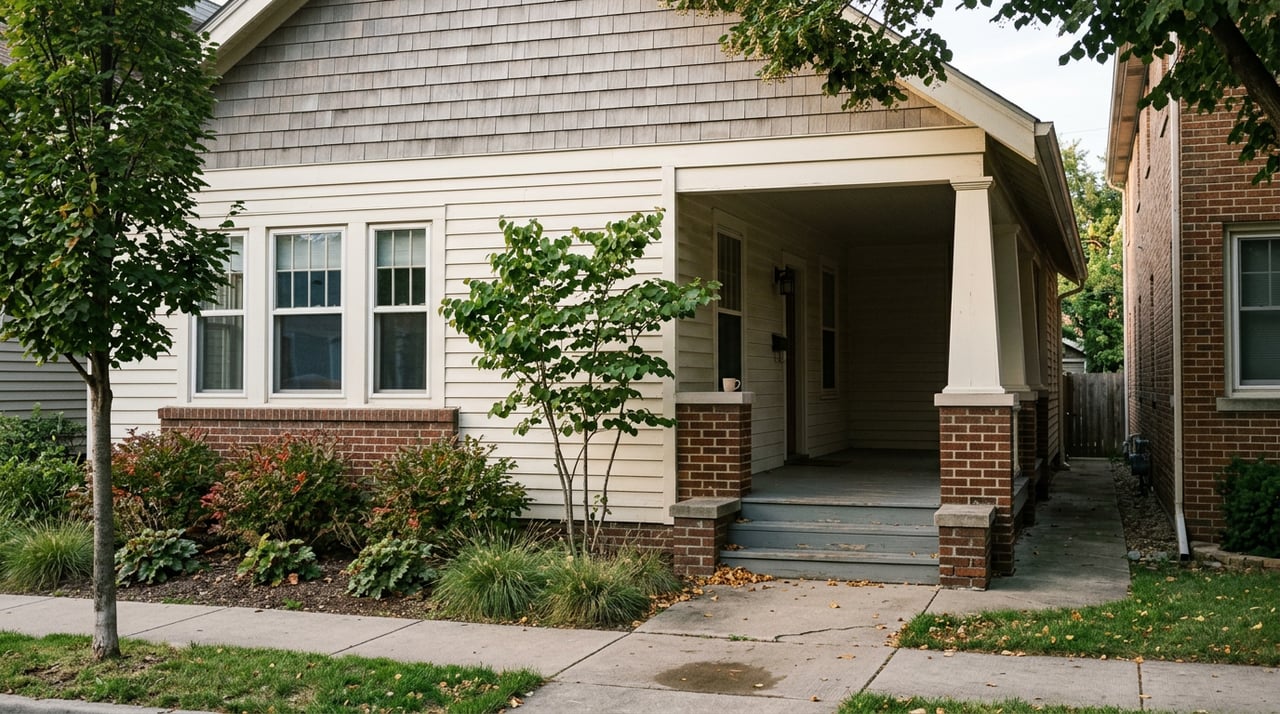
Monona offers a different housing story. The city grew quickly in the 1950s and 1960s, and its earlier housing plan said 78% of residential parcels had housing built before 1961.
So if you are drawn to established neighborhoods and older homes, Monona may feel like a better match. At the same time, newer development in Monona has focused more on infill and multifamily housing than outward single-family expansion.
Since 2017, the city says it has added 241 multifamily units, with 518 more approved and 218 under construction. That gives Monona a stronger mix of attached and higher-density options than McFarland.
Lot size and space expectations
McFarland for more elbow room
McFarland’s community survey showed recurring interest in larger lots than is typical in town and in new construction single-family homes. That survey reflects buyer preference, not a hard inventory count, but it still helps explain the kind of demand shaping the local market.
If you picture more breathing room, more driveway space, or a more spread-out subdivision feel, McFarland likely fits that vision better. It is the more natural choice if outdoor space ranks high on your wish list.
Monona for a more compact footprint
Monona is more built out, and its location limits outward growth. The city is on the east shore of Lake Monona and is bounded by the lake, wetland conservancy area, and the City of Madison.
That means your housing options may come with smaller lots, closer spacing, or a more compact neighborhood layout. For many buyers, that is part of Monona’s appeal because it can feel more connected and closer to daily services.
Lake access and waterfront feel
McFarland lake life
McFarland’s lake identity centers on Lake Waubesa. McDaniel Park sits on the northeastern shoreline of Lake Waubesa and connects easily to the Lower Yahara River Trail and the boardwalk to Lake Farm County Park and Madison.
The village recreation plan also says McFarland has seven lake access points overlooking Lake Waubesa. That creates a lifestyle built around trails, parks, and easy access to the water, even if you are not living directly on a dense shoreline.
If your idea of lake living includes walking paths, recreation, and a quieter village setting, McFarland may check the right boxes. It tends to offer more of a park-and-trail relationship with the water.
Monona lake life
Monona has a stronger immediate shoreline presence. The city says it sits on the eastern and southern shores of Lake Monona, with over four miles of shoreline, more than 330 acres of park space, and three public boat launch sites.
Those public launches are located at Lottes Park, Winnequah Trail, and Tonyawatha Trail. If regular boating, shoreline access, or being close to Lake Monona is a top priority, Monona has a clear advantage.
Monona also notes that many waterfront properties fall within flood-hazard boundaries regulated by FEMA, the Wisconsin DNR, and city floodplain and shoreline zoning codes. If you are considering waterfront ownership there, that is an important part of your due diligence.
Commute and transportation
McFarland commute profile
McFarland’s location works well for buyers who want strong road access and bike connectivity. Village market data highlights USH 51, I-90, the Wisconsin and Southern rail line, and the Lower Yahara River Trail connection to Madison’s off-road trail network.
The same data puts downtown Madison about 9 miles or 17 minutes away by car. Census QuickFacts show a mean travel time to work of 18.9 minutes.
If you expect to drive often and want a suburban home base with practical highway access, McFarland is a very reasonable option. It also stands out if bike-trail access matters to your routine.
Monona commute profile
Monona’s commute picture is slightly different. Its mean travel time to work is also close, at 19.5 minutes, but the transportation mix includes stronger fixed-route transit.
Metro Transit says Route 38 serves Monona on weekdays, and routes G and L also serve stops along Monona Drive. That can be a meaningful plus if you want public transit built into your location choices.
So while both communities sit close to Madison, Monona often appeals more to buyers who want a compact setting with transit options nearby. McFarland tends to appeal more to buyers who prioritize road access and a more spread-out suburban feel.
Which suburb fits your lifestyle?
Choose McFarland if you want:
- A more suburban feel
- A higher share of owner-occupied housing
- Better odds of finding detached single-family homes
- Housing stock that is often newer than Monona’s
- Trail access and Lake Waubesa recreation
- Strong highway access into Madison
Choose Monona if you want:
- A more compact, in-town feel near Madison
- Older housing in established neighborhoods
- More attached or multifamily housing options
- More immediate Lake Monona shoreline presence
- Three public boat launches and broad public lake access
- Fixed-route transit service within the city
Price comparison to keep in mind
For many buyers, price helps break the tie. Based on Census QuickFacts, Monona has the higher median owner-occupied home value at $427,900, compared with $390,100 in McFarland.
That does not tell you what any specific home will cost, but it does provide a useful market-level signal. If you are balancing budget with your preferred lifestyle, McFarland may offer a more accessible entry point on the owner-occupied value metric.
Final thoughts on McFarland or Monona
If you want a detached home, a more suburban layout, and a lake lifestyle tied closely to parks and trails, McFarland is often the better fit. If you want stronger shoreline presence, older housing in a more compact setting, and better built-in transit access, Monona may feel more like home.
The good news is that both communities offer quick access to Madison and a strong lakeside identity. The key is matching your budget, home preferences, and daily routine to the place that supports them best.
If you want help comparing specific homes in McFarland and Monona, or you need a smart strategy for buying or selling in Dane County, connect with Tony Hedberg. You’ll get clear local guidance, data-driven advice, and a process built to keep your move on track.
FAQs
Is McFarland or Monona more expensive for homebuyers?
- Based on Census QuickFacts, Monona has the higher median owner-occupied home value at $427,900, compared with $390,100 in McFarland.
Is McFarland or Monona better for single-family homes?
- McFarland is generally the stronger fit if you want detached single-family housing, based on its housing stock, zoning structure, and suburban development pattern.
Is Monona or McFarland better for lake access?
- Monona has the edge for immediate shoreline presence, with over four miles of Lake Monona shoreline and three public boat launches, while McFarland offers strong park-and-trail-oriented access to Lake Waubesa.
Is Monona or McFarland better for commuting to Madison?
- Both have similar average commute times, but McFarland stands out for highway and trail access, while Monona offers stronger fixed-route transit through Metro service.
What should buyers know about waterfront homes in Monona?
- The City of Monona says many waterfront properties fall within flood-hazard boundaries and are subject to floodplain and shoreline zoning rules, so buyers should review those requirements carefully when considering waterfront property.